Sustainable Development Goals (SDGs)
Sustainability Initiatives – People
The Yoma Group is committed in doing business that contributes to Myanmar while at the same time improving the quality of life of the Yoma Group’s workforce, the community and the society at large. The essence of the Yoma Group is to invest in a sustainable manner and to make sure that its businesses positively impact the environment and the lives of local citizens. The Yoma Group also looks beyond profits and focuses on how its businesses can benefit the greater community through fulfilling these Sustainable Development Goals:
Employee Satisfaction Survey 2020
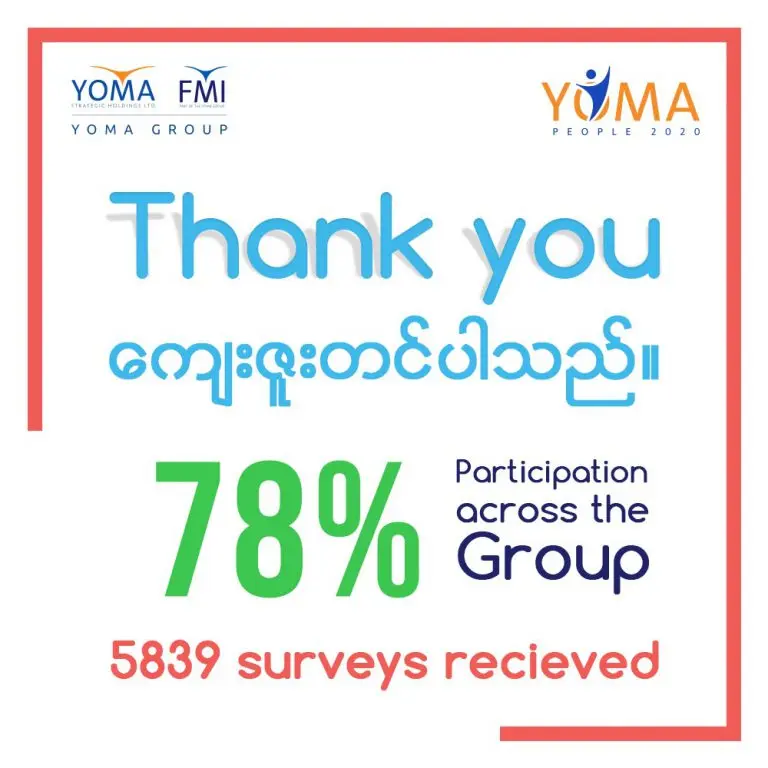
Yoma Group’s Employee Satisfaction (ESAT) survey, completed on 30 April 2020, was circulated to over 7,500 employees with a turnover rate of 78%. Out of the 78% responses, Group level score was rated 86% favorable. In this survey, employees are asked to provide their opinions on what makes Yoma Group a great place to work. General feedback from employees’ center on that “proud of being part of Yoma and want to stay at Yoma for a long time.” The most favorable responses came in the areas of teamwork, role clarity, respect, safety, and accountability, while the Company is preparing to improve areas on recognition, training, career development, emotional well-being, and performance feedback.
Yoma Challenges
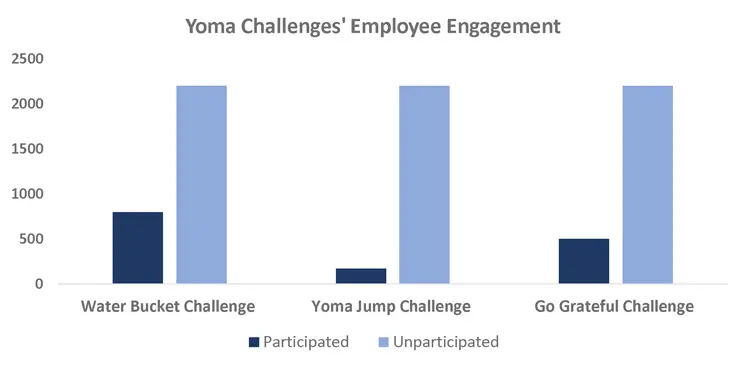
Since the breakout of COVID-19 in Myanmar, the Yoma Group has created a series of challenges to engage employees working across Myanmar. In so doing, the Yoma Group aims to get them motivated, connected, and learn to know each other more. Most of all, to be more resilient and positive in overcoming uncertainties, while learning to reflect and embrace the essence of living in the present.
Internal Communication
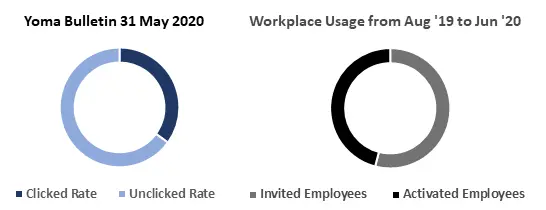
The Yoma Group uses a range of platforms to disseminate and communicate with its employees. Such platforms are Microsoft Teams for conference calls and work meetings; Workplace by Facebook, a social media platform for employees’ social engagement; Yoma Bulletin via Yoma Connect App, a newsletter that publish groupwide weekly highlights. For employees without Yoma’s Email address, SMS direct messages are sent for internal communication. As one of the privileges of Yoma’s employees, each of them is granted a registered free SIM card.
Customer Health & Safety
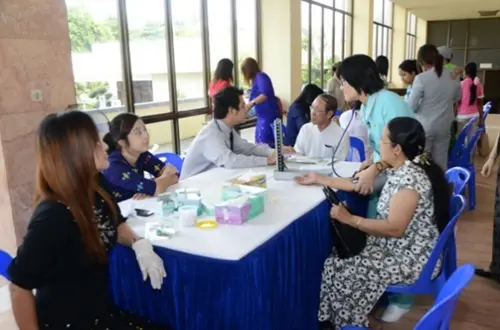
As a publicly listed company, the trading of FMI’s shares is passed to the Securities Companies. As such, FMI rarely has any close contact with its shareholders during the operations period, except at Shareholders Meetings or Annual/ Special General Meetings. During such meetings, the Company ensures to arrange a medical team that provides temperature screening services including blood pressure testing and small medical check up to the shareholders and guests who attend the event. In addition, during the 28th AGM in February 2020, the FMI Management also took some preventive measures to tackle the possible spread of the Virus among the shareholders and attendees at the AGM. Temperature screening on every attendee was conducted at the entrance, while live streaming of the AGM through FMI’s website and Facebook page was provided to shareholders who were unable to attend presently.
FMI's Criteria for Supplier Selection
Due to the nature of an investment company, the variety of suppliers FMI engage with is particularly small. Only on occasions of holding its Shareholders Meetings or Annual/ Special General Meetings does the Company engage with event organizer, corporate gift supplier, corporate document manufacturer and stationery vendors for products and services. Before engaging with such suppliers and vendors, the Company’s employees are guided to assess the prospective Vendors’ operating principles and mission are aligned with the Company’s Code of Conduct and Value Chain. Though the Company prefers to make deals with suppliers that offer lower prices, it prioritizes quality and operating principles practiced by these suppliers over prices they offer. Further, FMI’s employees are guided to abide by the Anti-Bribery Policy, Anti-Corruption Policy, Human Rights Policy, Conflicts of Interest Policy set out by the Company in their dealings with suppliers and vendors and select suppliers that stringently adhere to them.
For subsidiary, please go to this link.
Our Effort on Protecting Creditors' Rights
FMI believes that its creditors include banks that lend money to the Company and suppliers that provide services and sell products to the Company. FMI ensures to observe Myanmar Companies Law 2017 and its Corporate Policies while dealing with its creditors and suppliers. FMI is of the view that its creditors and suppliers are similar to its business partners who are the backend supporters of its mission to build a better Myanmar for its people. Though credit terms may vary based on different creditor and supplier contracts, the Company ensures to treat all its creditors and suppliers adequately and is committed to meet the payment terms in a professional and satisfactory manner, while striving to maintain sustainable relationships together to fulfill its mission, vision, and goal.
The Yoma Group Medical Plan and Life Insurance
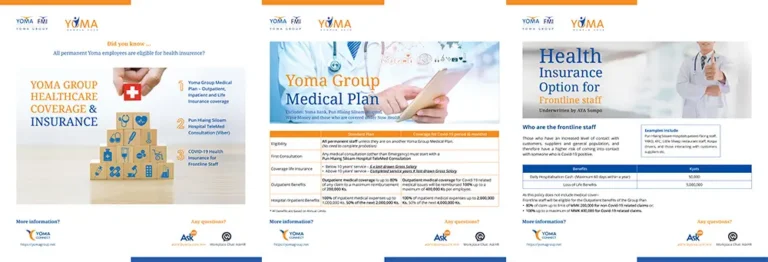
The Yoma Group Medical Plan provides inpatient, outpatient, and life insurance coverage to its employees. Employees may request reimbursement for personal inpatient and outpatient treatments based on certain terms and conditions. According to the provisions of Yoma Group’s Life Insurance, family of the deceased employee is provided a compassionate payment based on the employee’s service years.
In addition to the standard medical insurance coverage for employees, the Group has added an extra COVID – 19 medical coverage that will be valid from 20 April to 31 October 2020 for all staffs unless covered under a separate Health Insurance scheme. Employees who work frontline are entitled to more coverage due to the fact that they are likely to have higher potential exposure to COVID-19 virus.
For details, please refer to our Employment Policy on Medical Benefit and Life Insurance.
A Safer Way to Pay
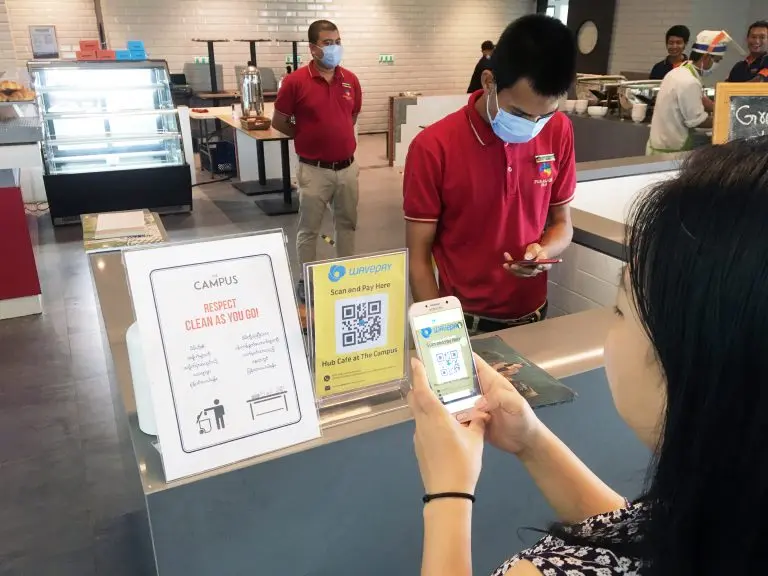
In light of the COVID 19 Outbreak, the Group also endorses the use of Wave Money pay for their meals and beverages.
Free Flu Vaccination
Each year, ahead of the flu season, the Group provides free flu vaccinations to all Yoma employees as part of its ongoing commitment to employee health and well-being.
Creating Good Work Force within the group
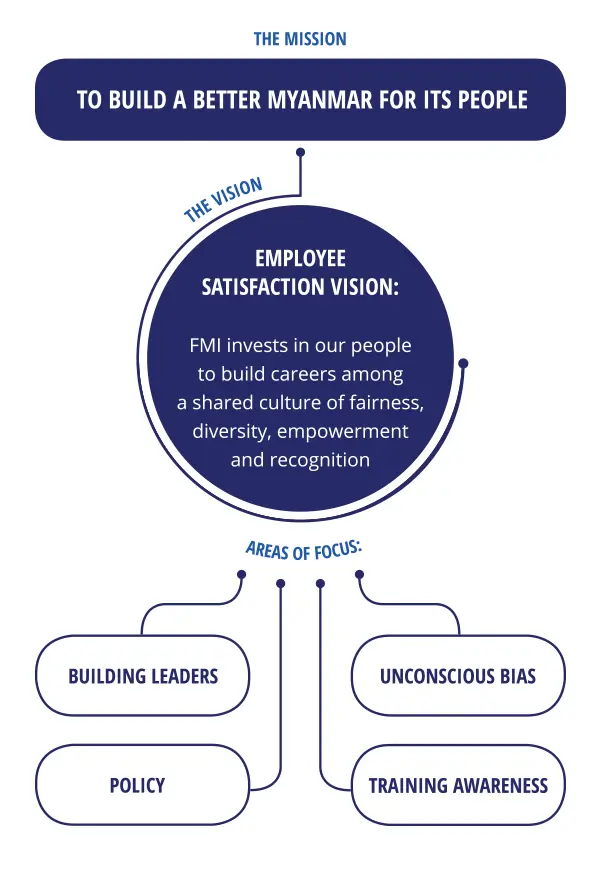
The Yoma Group’s Employee Satisfaction Vision is: The Yoma Group invests in its people to build careers around a shared culture of fairness, diversity, empowerment and recognition. This reaffirms the Yoma Group’s core belief that great teamwork is the foundation of its businesses and empowering its employees will make the Yoma Group stronger. A strong workforce will enable the Yoma Group to better capitalise on the emerging opportunities in Myanmar. To this end, the Yoma Group has made a conscious effort to develop talent and create a diverse and inclusive work environment for its employees and ensure a strong understanding of its core values.
This focus was celebrated by Yoma Bank being awarded the following: Best Learning & Development Program, Most Effective Recruitment Strategy for Talent Attraction, Most Innovative Use of Technology in HR, Excellence in the Workplace Environment, HR Director of the Year, and CEO of the Year from The Myanmar Employer Awards 2018.
The Yoma Group Human Resources Department continually reviews and adjusts its organisational and workforce’s profile to align with the business opportunities and challenges.
Talent Acquisition and Career Development
Yoma Group continues to strengthen its talent pipeline and create career opportunities through improved recruitment, skills development and early-career engagement. The Group launched Yoma Recruit, a centralised recruitment platform across its businesses, enhancing hiring efficiency, governance and the overall candidate experience. Our businesses provide approximately 5,308 jobs, with a majority filled by local individuals in Myanmar, reducing poverty through contributing to inclusive and broader economic growth.
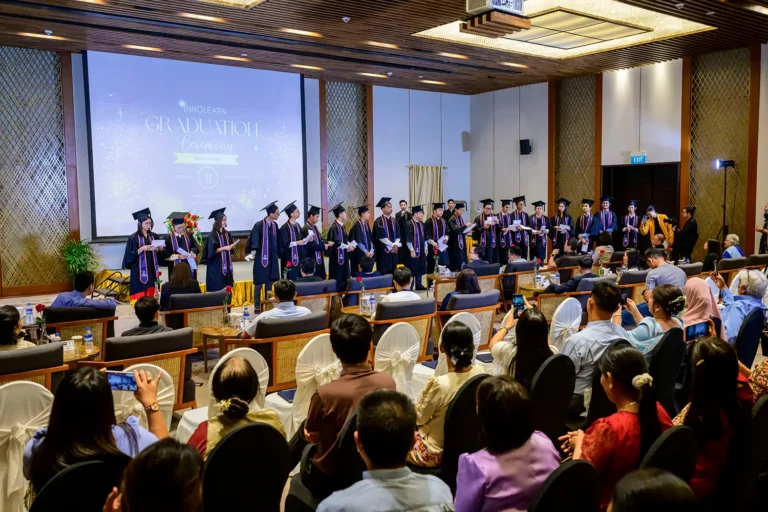
The Group also hosted the Pathway to Success event to connect job seekers with employment opportunities and partnered with Gusto University on the InnoLearn programme, providing training to 20 IT students, all of whom secured positions within Yoma Group upon completion.
In addition, the Group participated in the Strategy First Career Fair and collaborated with KMD Institute on an IT Mini Job Fair, resulting in the successful recruitment of 10 candidates for its internship programme.
Learning and Leadership Development
The Group is committed to building employee capabilities through structured learning and development initiatives reflected in the accumulation of 61,226 training hours by March 2026 that support professional growth and organisational effectiveness.
The Yoma Leadership Forum focuses on strengthening leadership capabilities across the Group, while the e-Campus learning platform supports continuous learning through accessible and flexible digital and classroom-based training.
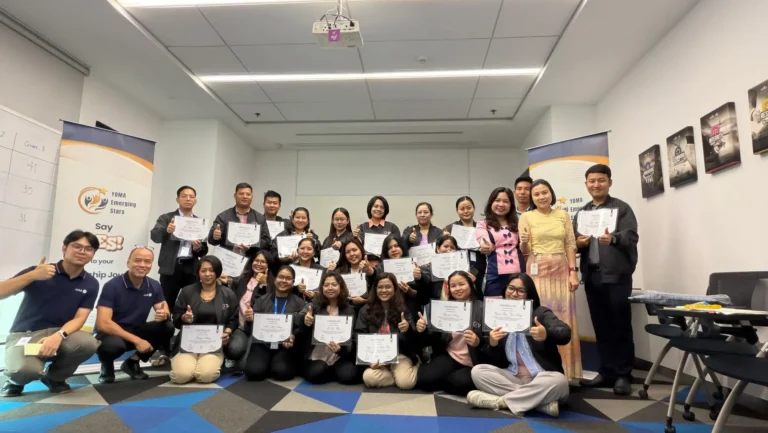
The Yoma Emerging Stars (“YES”) programme, conducted across three batches, further supports the development of emerging talent and strengthens leadership capabilities at the executive and supervisory levels. The programme reached 72 participants and delivered a total of 1,728 training hours.
We place strong emphasis on cross-functional training and actively encourage our employees to broaden their skills through diverse training opportunities, including leadership development, professional growth, product and service enhancement, and financial literacy. Our training curriculum included a comprehensive range of sustainability-related topics, including climate change, digital clean-up, resource efficiency, solid waste management, single use plastics elimination, recycling, and general sustainability advice.
Anargat Programme: Supporting Working Mothers
An initiative designed to comprehensively support female employees beginning families, the Anargat Programme has been active since 29 December 2020 and applies to all permanent staff. In addition to complying with Myanmar’s labour laws of 14 weeks of paid maternity leave, we demonstrate our commitment to employee well-being by offering an enhanced maternity leave package, providing a baseline of 20 weeks of paid leave.
Financial Support – To further ease financial pressures during this life stage, the Anargat Programme also offers financial support of MMK 700,000 per employee. The Group’s Baby Welcoming Benefit policy is designed to support all employees during the joyous occasion of the arrival of a new baby, consisting of a one-time payment of MMK 50,000 per new-born. In the case of twins, the total benefit remains at MMK 50,000.
Engagement with Employees
Succession Planning
The Group believes that effective succession planning is essential to ensuring leadership continuity and achieving its long-term strategic objectives. Having operated in Myanmar for more than three decades, the Group has successfully transitioned from first-generation to second-generation leadership, while continuing to develop the next generation of leaders.
As part of its succession planning, the Group continuously identifies and develops talent from both within and outside the organisation, building a strong pipeline of future leaders. Through its five-year “Work Yourself Out of a Job” initiative, existing leaders are encouraged to take on broader responsibilities while creating opportunities for emerging leaders to step into more senior management roles.
The Group’s continued success is underpinned by the strength and depth of its leadership. Senior executives and managers regularly identify high-potential talent across the Group’s businesses and provide opportunities to develop the capabilities and experience required for future leadership roles.
Diversity and Equal Opportunity
Yoma Group is committed to fostering a diverse and inclusive workforce that brings together different skills, experiences and perspectives to support long-term growth.
FMI is a founding member of the Business Coalition for Gender Equality (BCGE) and achieved EDGE (Economic Dividends for Gender Equality) Certification in October 2018. Pun Hlaing Hospitals, one of FMI’s subsidiaries, also became the first hospital in the world to achieve EDGE Certification.
EDGE is a global certification standard for gender equality, assessing areas such as gender representation, workplace policies and organisational culture. At the time of the assessment, women represented 62% of Yoma Group’s workforce, while the Group demonstrated a more balanced gender composition across management levels compared with relevant global industry benchmarks.
Promoting Gender Equality and Respectful Workplaces
Diversity and Inclusion Committee
Step-In Step-Up Program
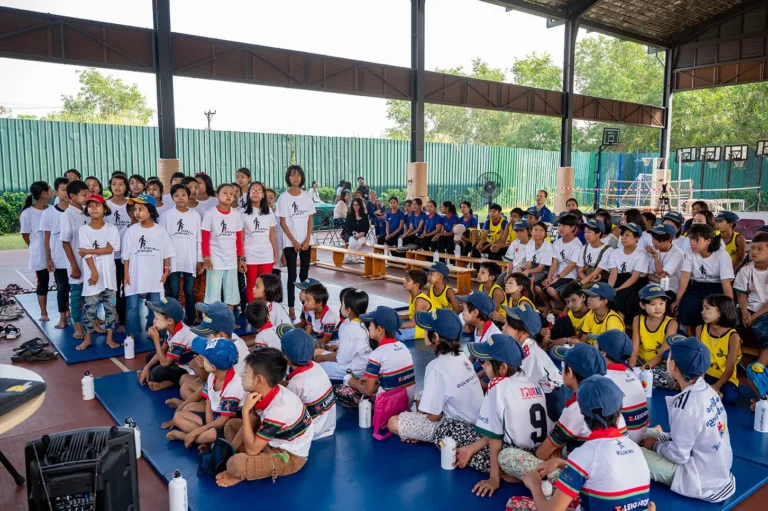
The Group continues to support the Step In – Step Up (SISU) programme, a non-profit vocational training initiative focused on empowering vulnerable individuals through practical skills development and employment opportunities.
SISU provides structured training pathways in areas including office administration and healthcare support, helping participants develop practical skills and improve their employment prospects. The programme also promotes inclusive access to training, with strong participation from female trainees and plans to expand opportunities for persons with disabilities.
Beyond vocational training, SISU supports youth development through initiatives such as GAP KIDS and PADAUK KIDS, which focus on foundational skills, personal development and awareness of broader social issues.
Through vocational training, youth development and community outreach, SISU aims to equip participants with the skills, confidence and opportunities needed to build more sustainable livelihoods.
Livelihoods and Food Security Trust Fund and Yoma Bank
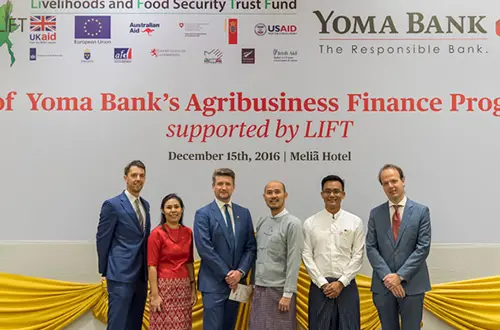
On 18 December 2015, Livelihoods and Food Security Trust Fund (“LIFT”), a multi-donor fund (that has collaborations with UK aid, USAID and Australia Aid), and Yoma Bank signed an agreement that aims to increase agricultural productivity in Myanmar by collaborating with the private sector. The programme has three objectives: 1) increase mechanisation in the agricultural sector; 2) stimulate savings within the rural communities; and 3) improve agricultural productivity through access to finance.
The programme is estimated to reach or help 181,000 rural families in Myanmar through direct and indirect changes. Rather than using an intermediary to simply pass on donor money to the intended recipients, the LIFT funds leverages Yoma Bank’s existing lending network to disburse funds. Backed by a donor-funded loan loss reserve, Yoma Bank is incentivised to lend to rural SMEs, smallholders and intermediaries on terms that might otherwise not be commercially viable given the prevailing interest rate ceiling and the banking industry’s lack of experience in the agricultural sector.
PHSH’s Silver Ward
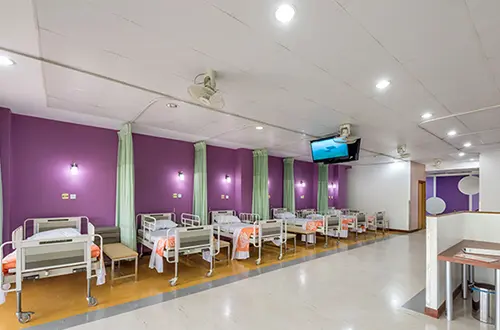
Pun Hlaing Hospital (PHH) serves patients across different socioeconomic segments through complementary healthcare models. While most hospital wards operate as private facilities, PHH also offers a six-bed Silver Ward, providing quality healthcare at significantly reduced rates for patients who may otherwise find private healthcare unaffordable.
Silver Ward patients receive the same standard of medical care, with access to the same doctors and operating theatres as other patients. They are also provided with a bed, meals and other essential needs throughout their stay.
Yoma International Marathon 2026
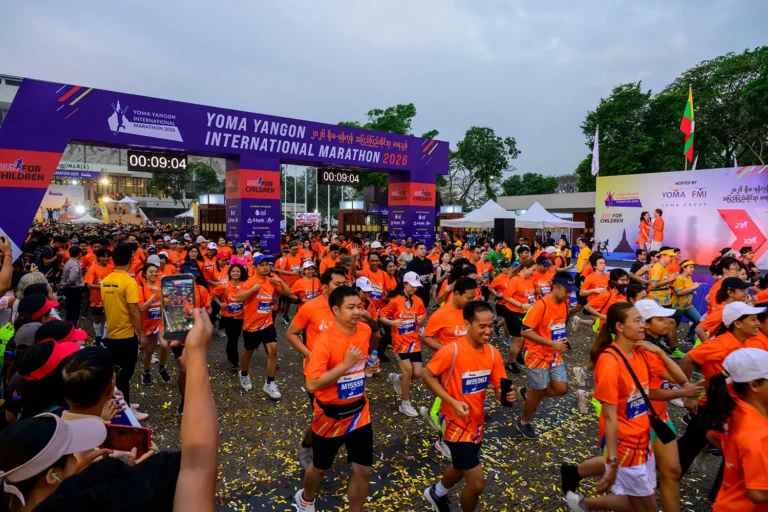
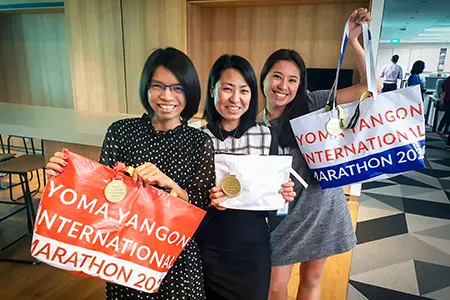
The Yoma International Marathon has established itself as Myanmar’s largest participatory running event and one of the country’s most recognised sporting occasions, bringing together runners, supporters, volunteers, businesses and communities. Through a shared passion for running, the Yoma International Marathon aims to inspire athletes and connect local and international communities.
First launched in Yangon in 2013 with 1,050 participants, the marathon grew steadily to welcome more than 10,000 runners in 2020, including over 700 international participants. Following its eighth edition in 2020, the Yoma International Marathon returned in 2026 for its ninth edition, expanding beyond Yangon to Mandalay for the first time.
The inaugural Yoma Mandalay International Marathon welcomed nearly 3,000 participants, while the Yoma Yangon International Marathon brought together over 7,000 runners and supported three local youth charities and raised funds for the restoration of the Maha Myat Muni Pagoda.
Yoma Family Club 2026
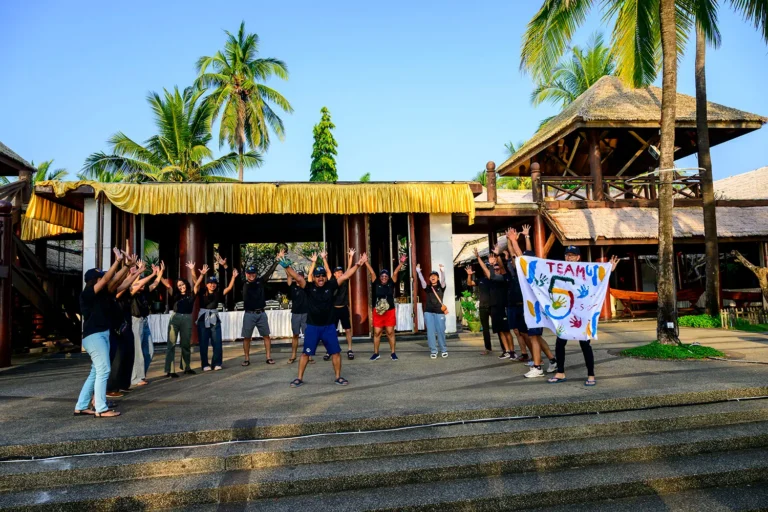
To promote employee engagement, teamwork, and workplace wellbeing, the Group organised the Yoma Family Cup in January and February 2026. This football tournament encouraged cross-functional collaboration, strengthened peer relationships, and fostered a positive, inclusive workplace culture.
The event provided employees with a valuable opportunity to build teamwork, improve communication, and boost morale through healthy recreational activity outside of their daily work responsibilities.
Community Light Center
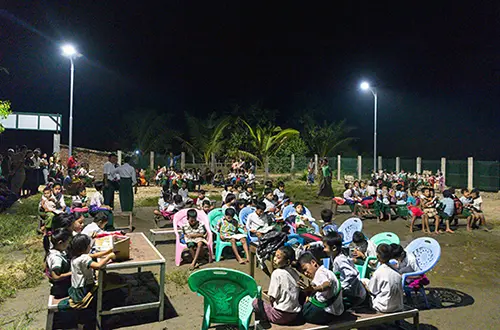
A Community Light Centre is a solar-powered space, approximately the size of a football field, illuminated by four solar lights. It provides villagers with a safe, well-lit place to gather, participate in recreational activities and study after dark.
The Centres are particularly valuable in rural communities with limited access to electricity, enabling children to study at night and teachers to conduct additional classes.
To date, FMI has built 15 Community Light Centres across Magway, Bago and Ayeyarwady Regions, as well as Rakhine, Kayin and Shan States. Each Centre costs approximately MMK 8.5 million to build, and FMI continues to support the initiative as part of its community investment efforts.
Promoting Clean Energy
The Group is committed to reducing energy consumption and greenhouse gas emissions through the strategic implementation of grid-tied solar power systems across various locations. This initiative commenced in 2018 with the installation of a 26 kWp solar power system at The Campus, followed by further expansion in 2021. In 2022, the Group significantly scaled up its efforts by deploying a substantial 1.9 MWp solar power systems at StarCity and a 2.5 MWp system at Pun Hlaing Estate.
Disaster Relief Across Myanmar
Yoma Group has demonstrated its strong commitment to Myanmar’s communities by responding swiftly to two major natural disasters over the past year. In September 2024, the Group carried out flood relief efforts in the affected townships following Typhoon Yagi. More recently, following the 7.7-magnitude earthquake in March 2025, the Group committed disaster aid and has been working with local and international partners to deliver essential assistance to the impacted communities across central Myanmar.
Annual Donation to Disadvantaged Communities
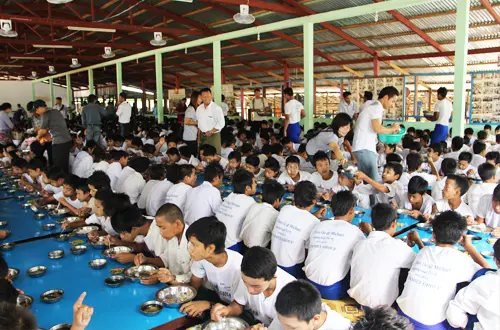
Yoma Group believes in giving back and supporting communities in need. The Group regularly donates food, school supplies and other essential items to local communities, including annual donations to orphanages in Twante.
FMI also supports youth in communities near FMI City through recreational and engagement activities. In addition to creating employment opportunities for Hlaing Tharyar residents, FMI is committed to supporting young people in developing the skills and opportunities they need for a better future.
Social initiatives on the Maw Tin Estate
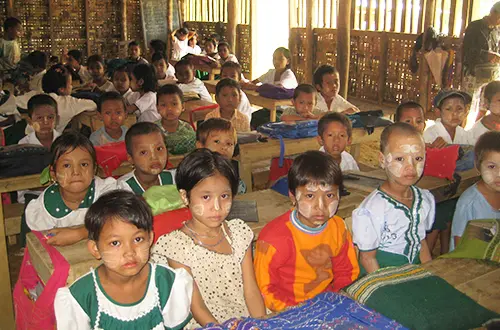
Yoma Group supports the community surrounding Maw Tin Estate near Pathein through initiatives in education, healthcare and employee well-being.
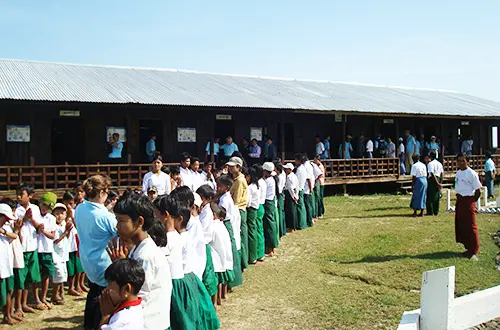
The Sin Wine School provides education for employees’ children, with the Group supporting teachers’ salaries. Healthcare support includes malaria prevention and treatment, as well as access to a local clinic.
The estate also provides employee accommodation, including individual homes with vegetable plots for families and dedicated dormitories for single employees.
Bayintnaung Flyover
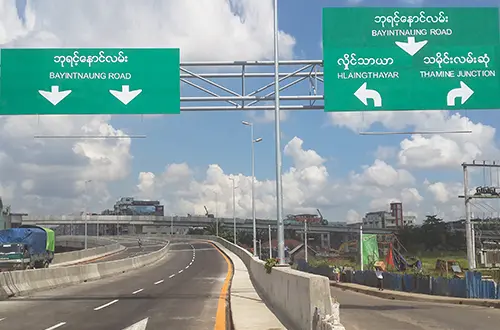
Due to persistent traffic problems around the area near Bayintnaung market, the Yangon authorities decided to build a flyover bridge. The construction of this flyover was undertaken by FMI, and travel times around this area have been significantly improved.
Public Education Seminars by Pun Hlaing Hospitals
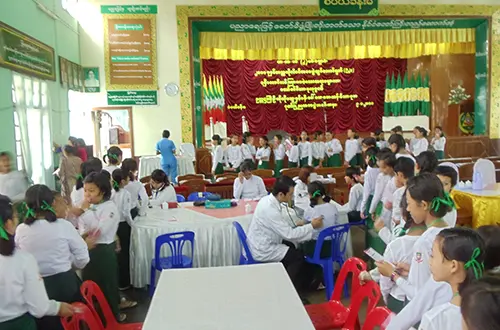
Pun Hlaing Hospitals is committed to supporting community health and well-being through education, health screenings and outreach initiatives. These include public health seminars, student health education and screenings at schools across Yangon.
The hospital and its employees also support communities through charitable activities and humanitarian assistance, including donations to orphanages and healthcare support for communities affected by natural disasters.
Cyclone Nargis Recovery
Following Cyclone Nargis, FMI actively supported relief and rehabilitation efforts, including the development of the first Environmentally Sustainable Pilot Village (ESPV) in Auk Pyun Wa. In consultation with local residents, the Group rebuilt key religious and community facilities destroyed by the cyclone, including the village pagoda, monastery, ordination hall (thain) and Arr Yon Khan Tazaung, an open hall for worship and religious ceremonies.
Supported by donations from the SPA/FMI Group, employees, friends, well-wishers in Myanmar and abroad, and local villagers, construction began in October 2009 and was completed in December 2009. On 4 January 2010, SPA/FMI Group directors, employees, friends and well-wishers visited Auk Pyun Wa to participate in a merit-sharing ceremony marking the completion of the project.
FMI also undertook an assignment from the National Disaster Preparedness Central Committee to construct a 500-person cyclone shelter near Kwin Gyi village on Ale Kyun. Together with other companies involved in constructing cyclone shelters, FMI was subsequently recognised by the Committee and then-Prime Minister of Myanmar U Thein Sein for its contribution to the rehabilitation efforts.
Group Charity Efforts
SPA START
SPA START is a six-month business coaching programme designed to support young Myanmar entrepreneurs through mentorship and practical guidance. Mentors include senior executives, managers and CEOs from across the SPA Group, who volunteer their time to advise participants on the challenges of starting and growing a business. Through the programme, FMI and the SPA Group aim to nurture the next generation of Myanmar entrepreneurs.
Dai Su Village Water Pumping Station
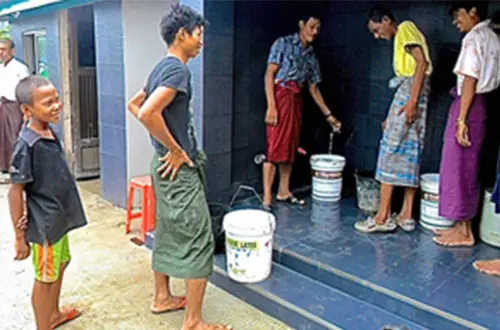
With support from the Yeon Tippetts Well Program and Pun Hlaing Golf Estate, the SPA Group donated a water pumping station to Dai Su Village in Hlaing Thayar Township, Yangon, in June 2014. The station provides villagers with convenient access to clean water through six public taps, supplied by an 800-gallon pressure tank connected to a 2,200-gallon lower tank and a 160-foot tube well. The quality of the water was demonstrated at the opening ceremony, where guests were served tea made directly with water from Dai Su.
Nyaung Ywa Maternity Clinic
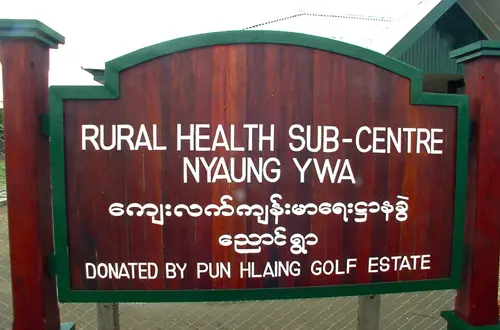
The Nyaung Ywa Maternity Clinic in Hlaing Thayar Township was donated by the SPA Group and Pun Hlaing Golf Estate to provide safe maternity care and help reduce childbirth complications within the community. Designed and built by SPA Project Management, the clinic officially opened on 25 May 2002. The clinic provides expectant mothers with maternal health and nutritional guidance, as well as a hygienic environment for safe deliveries, supporting the healthcare needs of the local community.
Creating Liveable Homes and Connected Communities
Yoma Land is committed to creating thoughtfully planned residential developments that enhance quality of life and foster inclusive, connected communities. The Group aims to support sustainable urban development while responding to the evolving housing needs of Myanmar’s growing urban population. In FY2026, Yoma Land continued to expand its residential portfolio with developments that cater to different lifestyles and stages of homeownership. The successful completion of the first two phases of ARA, a cluster housing development at StarCity, strengthened the community, while the launch of a third phase reflected continued demand for community-focused living. At City Loft West, the introduction of a fourth residential tower further expanded access to quality apartment living.
Upholding Ethical Labour Practices
We adhere to all relevant labour laws and fully support the International Labour Organisation’s (“ILO”) Eight Fundamental Core Conventions and International Finance Corporation’s (“IFC”) Labour and Working Conditions Standards. Child labour is strictly prohibited across all our business operations and project sites. We are pleased to report that no instances of child labour were identified as of March 2026.
Firm Stance Against Corruption and Discrimination
The Group adopts a zero‑tolerance stance towards bribery and all forms of corruption, and reinforces this through its Code of Conduct, which sets clear expectations on anti‑corruption, conflicts of interest and whistleblowing. These standards are consistently applied across operations and extended to third‑party engagements.
The Group is also committed to an inclusive workplace, with policies that prohibit discrimination in any form. By aligning its practices with recognised international standards, the Group seeks to uphold high levels of integrity within its operations while promoting responsible business conduct within the wider business community.
Sustainability Initiatives – Planet
The Yoma Group is dedicated to safeguarding and, where possible, improving Myanmar’s environment – for the people of Myanmar and to ensure the sustainability of its own businesses. The Yoma Group is mindful of its environmental impact and aware of the complexities involved in topics like climate change and water preservation and considers its net impact on the environment to be positive, but many challenges remain in a country developing as rapidly as Myanmar. In its attempt to mitigate the impact to the environment, the Yoma Group strives to ensure that its operational models match with these Sustainable Development Goals:
World Environment Day
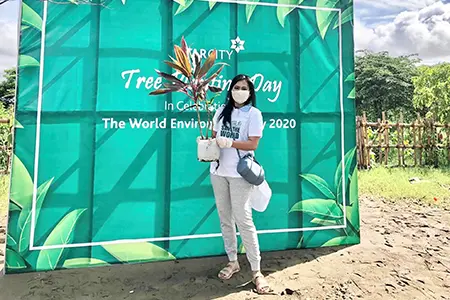
In line with the theme of World Environment Day 2020, the Yoma Group celebrated with its employees by holding a Tree Planting Day in Start City and a photo contest across the Group to raise employees’ awareness on nature and biodiversity.
Waste Vinyl to Useful bags
In an attempt to reduce the burden it would impose on the environment, the Group generated the idea to transform vinyl banners and extra metals it used during Yoma Yangon International Marathon 2020 into bags and sold them across the Group. Profits derived from the sales would be used in next Group’s organized charity event.
Banners on the light switch
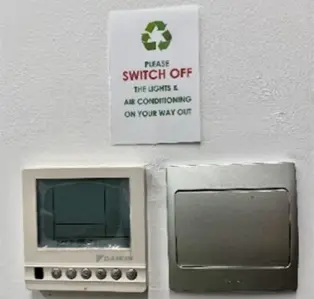
Every meeting room in the Campus, where the Group’s head offices located is stuck with a Switch Off label to increase employees’ awareness to switch off lights and air-conditioning with a sole aim to save the electricity consumption.
Buy Your Reusable Cotton Mask
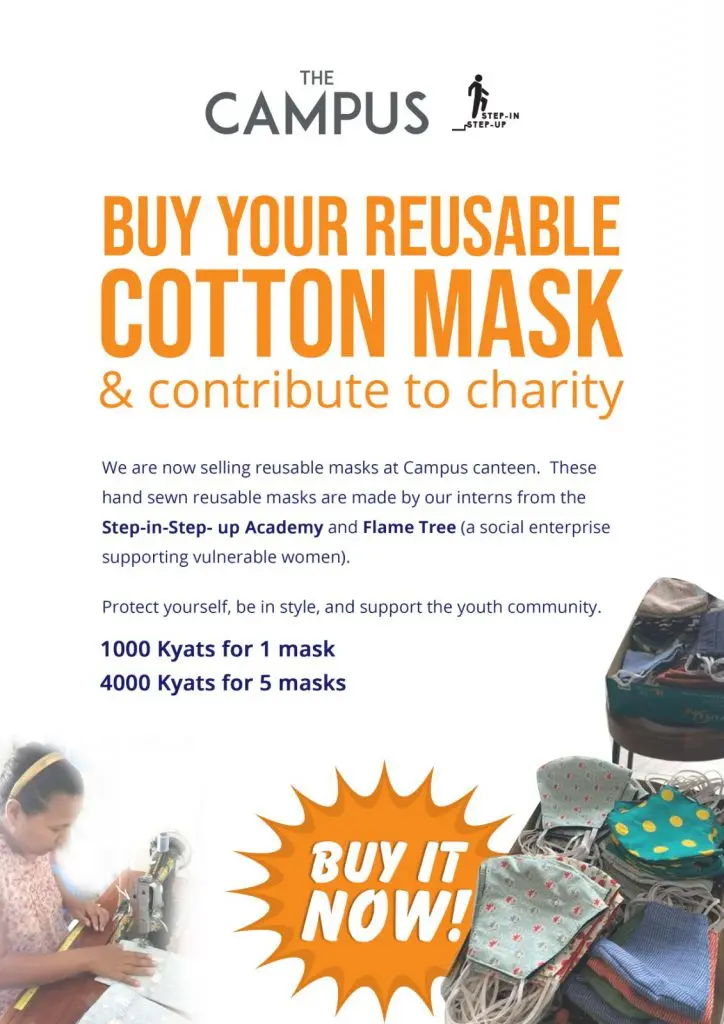
In light of the COVID – 19 Outbreak, the Group worked with its interns from the Step-In Step-Up Program to hand sew reusable cotton masks to make an income and support the youth community.
No More Styrofoam
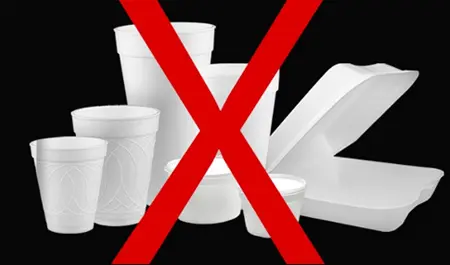
The Campus Canteen, the communal dining place for Yoma’s employees, has eliminated the usage of Styrofoam plates, takeaway boxes and plastic utensils by replacing with paper boxes not only to reduce the negative impact on the environment, but also to prevent the negative impact on health.
A Lifetime of Plastic Consumption, 25 Years Ago and Today
As part of Yoma Bank’s 25th Anniversary celebration, Yoma Bank launched a series of 15 exhibits from March to June 2019 to raise awareness about “A Lifetime of Plastic Consumption, 25 Years Ago and Today” through mobile art installations, where exhibits were displayed across Yangon, Nay Pi Taw, and Mandalay cities. This campaign was a collaboration between Yoma Bank and Thant Myanmar to highlight a lifetime consumption of bottles, plastic bags, and single use plastic sachets of an average Myanmar individual’s lifetime today compared to 25 years ago. More importantly, the goal of this exhibit was to address the increase of plastic consumption and plastic pollution issue to public awareness. Through this campaign, it was assessed that single use plastic usage has increased 10 times over the past 25 years and the usage comparisons are sadly staggering.
Earth Hour 2020
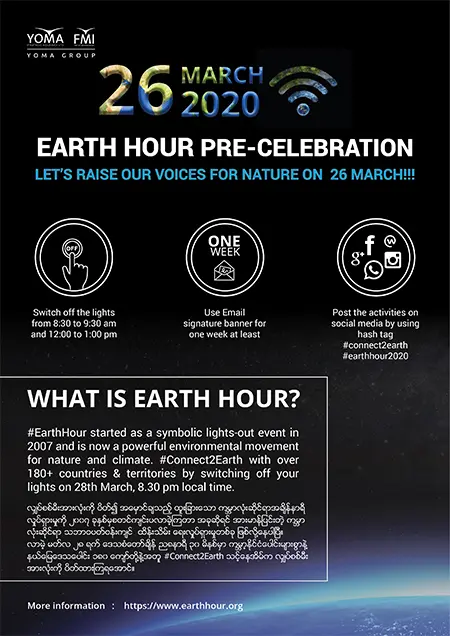
Earth Hour is a worldwide movement organised by the World Wide Fund for Nature (WWF). The event is held annually by encouraging individuals, communities, and businesses to turn off non-essential electric lights for one hour, as a symbol of commitment to the planet. This year, the Yoma Group participated in the Earth Hour by switching off lights as a symbolic gesture of energy saving in the fight against climate change on 26 March 2020 from 8:30 pm to 9:30 am and 12:00 to 1:00 pm. In order to raise awareness among the employees, the Group endorses the use of Email signature banner for one week at least, and post the activities on social media by using hashtag #connect2earth and #earthhour2020.
2018 World Cleanup Day Yangon
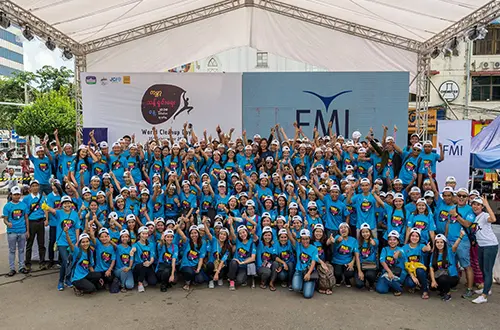
The Yoma Group participated in World Cleanup Day for the first time last year. The Yangon offshoot of the worldwide event took place on Saturday, 15 September 2018, and FMI was the diamond sponsor of the event. World Cleanup Day 2018 in Yangon was jointly organised by Junior Chamber International Yangon, Trash Heroes, Clean Yangon and Yangon City Development Committee. More than 200 employees from the Yoma Group volunteered for this movement to clean the streets of Yangon’s neighborhoods, spreading awareness to create a cleaner and greener city. Over 150 countries take part in World Cleanup Day every year, making it probably the biggest civic action in history.
Paperless Culture
A paperless culture is promoted across the Yoma Group and electronic communication is used predominantly. This is further supported by a cloud-based file sharing system to eliminate the need to print and photocopy paper-based documents.
The Less Single Use Plastic Campaign
The Less Single Use Plastic Campaign is one of the Yoma Group’s first initiatives to reduce plastic consumption. The Yoma Group saw amazing participation and contribution from its employees for Community Clean Up Day in StarCity on 27 March 2018.
EMR-ERP system of PHSH
PHSH has started the first EMR-ERP system in Myanmar with a fully automated paperless global best practice technology platform that is set up to achieve Healthcare Information and Management Systems Society (USA) Level 6 accreditation (Global Gold Standard for Healthcare Delivery Systems) within the next three years. The platform integrates all our clinical and non-clinical operations real-time with a new financial management system. The key feature of this platform is a fully computerised and standardised clinical recording and order system driving all parts of hospital operations and resource consumption right across the network.
Paperless Culture
The Group has adopted the paperless culture by reducing the use of paper and printing through switching to digital forms. According to the UK government’s conversion factors for carbon emissions, just 100,000 sheets of A4 paper have a carbon footprint of 6,000kg, requiring eight trees and 2,000kWh of energy. The Group saved over 70,903 sheets of A4 paper, or over 4,254 kg of carbon footprint in FY2026.
Sustainable Development
Yoma Land became the first developer in Myanmar to receive an Environmental Compliance Certificate from the Ministry of Natural Resources and Environmental Conservation for the Yoma Central project in May 2019. Yoma Central has also adopted the IFC EDGE (Excellence in Design for Greater Efficiencies) standard, incorporating sustainable design and construction principles into the development.
Sustainable Transportation
The Group provides company transportation to reduce reliance on private vehicles, helping ease traffic congestion and lower greenhouse gas emissions from employee commuting. A fleet of 55 buses serves more than 1,000 employees, avoiding an estimated 4,609.25 tCO₂e annually.
At StarCity Estate, the Group partnered with Thant Myanmar on the Bicycle Repair Project, providing regular maintenance for community “Star Bikes” to encourage sustainable transportation and improve mobility for residents.
Digitalisation and Resource Efficiency
Through the Yoma Connect App, the Group continues to digitalise internal processes and reduce reliance on paper. During the reporting period, paper consumption was reduced by more than 70,903 sheets of A4 paper, equivalent to an estimated reduction of over 4,254 kg of carbon emissions, based on UK Government carbon conversion factors.
The Group also promotes resource efficiency and circularity across its operations. Used vinyl banners and excess metal from the Yoma International Marathon were repurposed into bags, with proceeds from their sale directed towards Group-organised charitable activities. In addition, 1,730 litres of used cooking oil were converted into biodiesel by Golden Dowa Eco-System Myanmar Co., Ltd. (“Dowa”).
At StarCity, the Shampoo Refill Initiative, in partnership with Thant Myanmar and Venux Skinlux, encourages the use of refillable bottles as an alternative to single-use shampoo sachets. Across the Group’s head office campus, meeting rooms carry reminders to switch off lights and air-conditioning when not in use, while the Campus Canteen has replaced Styrofoam food containers and plastic utensils with paper-based alternatives.
Waste Management and Recycling
The Group is committed to the responsible management, disposal and recycling of waste to minimise its environmental impact. Waste generated across its operations includes both hazardous and non-hazardous materials, with hazardous waste managed in accordance with applicable regulations.
In February 2023, StarCity and The Campus launched a solid waste management and recycling programme with Dowa to reduce waste sent to landfills.
In FY2026, the Group generated 3,564 tonnes of waste, of which 170 tonnes were recycled. The Group works with Golden Dowa Eco-System Myanmar Co., Ltd. (“Dowa”), a waste management facility located in the Thilawa Special Economic Zone, to support responsible waste management and recycling.
The Group continues to explore opportunities to expand its waste management initiatives, supported by awareness and communication campaigns that encourage more responsible waste practices among employees, residents and other stakeholders.
Environmental Awareness and Engagement
The Group promotes environmental awareness among employees and the wider community through campaigns, education and engagement initiatives. These include Earth Hour, the Green Chief Debate Contest, and World Cleanup Day activities such as the Digital Cleanup and Make Room for Life campaigns. Also, the “Refill Not Landfill” campaign advocates the use of reusable aluminium bottles as a sustainable alternative to disposable plastic bottles, supported by convenient refill points across various locations within the Group’s facilities.
Internally, measures have been implemented to minimise plastic waste, including the use of a glass pitcher refill system with water dispensers, reducing reliance on single‑use plastic bottles and supporting the Group’s broader waste reduction objectives.
Moreover, as part of Yoma Bank’s 25th Anniversary in 2019, the Bank partnered with Thant Myanmar on “A Lifetime of Plastic Consumption, 25 Years Ago and Today,” a series of 15 mobile art installations across Yangon, Nay Pyi Taw and Mandalay to raise awareness of plastic consumption and pollution.
Community Environmental Action
The Group supports hands-on environmental initiatives focused on waste reduction, upcycling and greener communities. As part of Myanmar Climate Action Week, Yoma Strategic collaborated with Let’s Do It Myanmar, JCI Myanmar and UN-Habitat Myanmar on a Textile Waste into Upcycled Keychain Workshop, promoting upcycling and sustainable practices.
In Thanlyin Township, the Group organised a clean-up at 15 Feet School involving 180 participants and donated 10 rubbish bins to support waste management.
The Group also supported two tree-planting initiatives in Bago, planting 750 trees with 85 volunteers at Metta Gu Forest Monastery to create a 10-acre forest, and 1,000 trees with 100 volunteers at Pan Pyo Latt Monastery to create greener community spaces.
Climate and Sustainability Engagement
The Group contributes to broader industry dialogue by participating in climate and sustainability forums. At Myanmar Climate Action Week 2025, the Group’s Sustainability Manager participated as a panellist in a discussion on “Climate De-risking and Ground-Level Action in Fragile Contexts,” sharing perspectives on climate resilience, private sector collaboration and localised action.
At World Engineering Day for Sustainable Development 2025, organised by the Federation of Myanmar Engineering Societies, the Group’s Sustainability Manager presented on “From Vision to Reality: Implementing Sustainability Practices” and participated in a panel discussion on the role of engineers and communities in advancing environmental innovation.
The Group also participated in the Myanmar Climate Action Network and Partnership Forum, organised by UN-Habitat and the European Union under the Myanmar Climate Change Alliance 2 (“MCCA2”) programme, contributing to discussions on climate action and sustainable development in Myanmar.
Digital Transformation and Innovation
Pun Hlaing Hospitals (PHH) has implemented a fully integrated Electronic Medical Record (EMR) system across its healthcare facilities, supporting the digitalisation and standardisation of clinical operations.
The platform enables physicians and clinical teams to access patient information across different locations, supporting coordinated referrals, standardised clinical protocols and continuity of care. Patients moving between services within the network can therefore receive continuous clinical oversight, from primary care through to specialist treatment.
The transition from paper-based clinical records to an integrated digital platform also supports greater operational efficiency and more efficient use of resources across the healthcare network.
Sustainability Initiatives – Profit
Sustainability is the key requirement of unlocking the Yoma Group’s commercial success and securing its long-term viability as it continues to make significant contributions to Myanmar’s rapid development. The Company is committed to delivering attractive investment returns while contributing the profit to the community and people of their needs for the long term to satisfy the following Sustainable Development Goals:
One of the most tax paying companies in Myanmar
The Yoma Group has been submitting the consolidated tax payments to the Internal Revenue Department of Myanmar annually since the Company’s incorporation in 1992. For more information, please refer to the following link:
Accessible and Integrated Healthcare
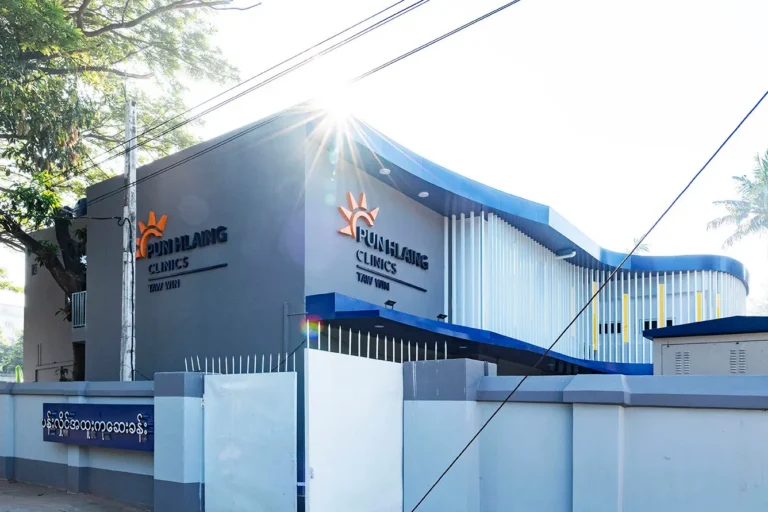
Pun Hlaing Hospitals (PHH) is committed to providing affordable and accessible healthcare across different socioeconomic segments, while contributing to the health and well-being of communities across Myanmar. Through an integrated network of hospitals, clinics, ambulatory services and diagnostic facilities, PHH aims to bring quality healthcare closer to the communities it serves.
Its current healthcare network includes:
Hospital Operations
- Pun Hlaing Hospital, Hlaing Thar Yar – Yangon
- Pun Hlaing Hospital, Chan Aye Thar Zan – Mandalay
- Pun Hlaing Hospital, Thit Taw Quarter – Taunggyi
HEAL Smart Health Community
Medical Towers
- Taw Win Clinic – Yangon
- North Dagon Clinic – Yangon
HEAL Primary Clinics
- Kyi Myin Daing – Yangon
- Thingangyun – Yangon
- StarCity – Yangon
- Phyapon – Ayeyarwady
- Aung Pan – Shan State
HEAL Ambulatory Services
Main Histopathology Laboratory
Collection Centres
- North Dagon
- Aye Tharyar
- Sanpya
- Pazundaung
- Chan Aye Thar Zan
Modernising the Look of Yangon City: FMIDecaux
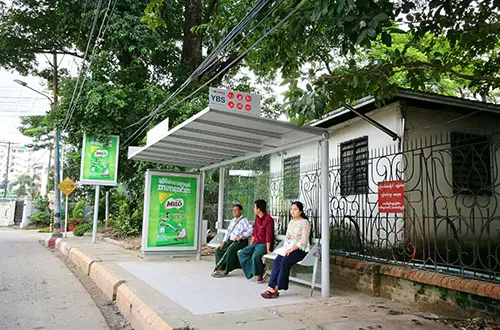
FMIDecaux aims to set a new benchmark for bus shelters in Yangon. The provision of all street furniture items is backed by second-to-none cleaning and maintenance. The whole duration of the project is financed by advertising proceeds according to the business model invented by JCDecaux SA in 1964. This project will be at no cost to Yangon city or its people.